
Martu Knowledge Leads the Way in New Research on the Wiminyji (Northern Quoll)
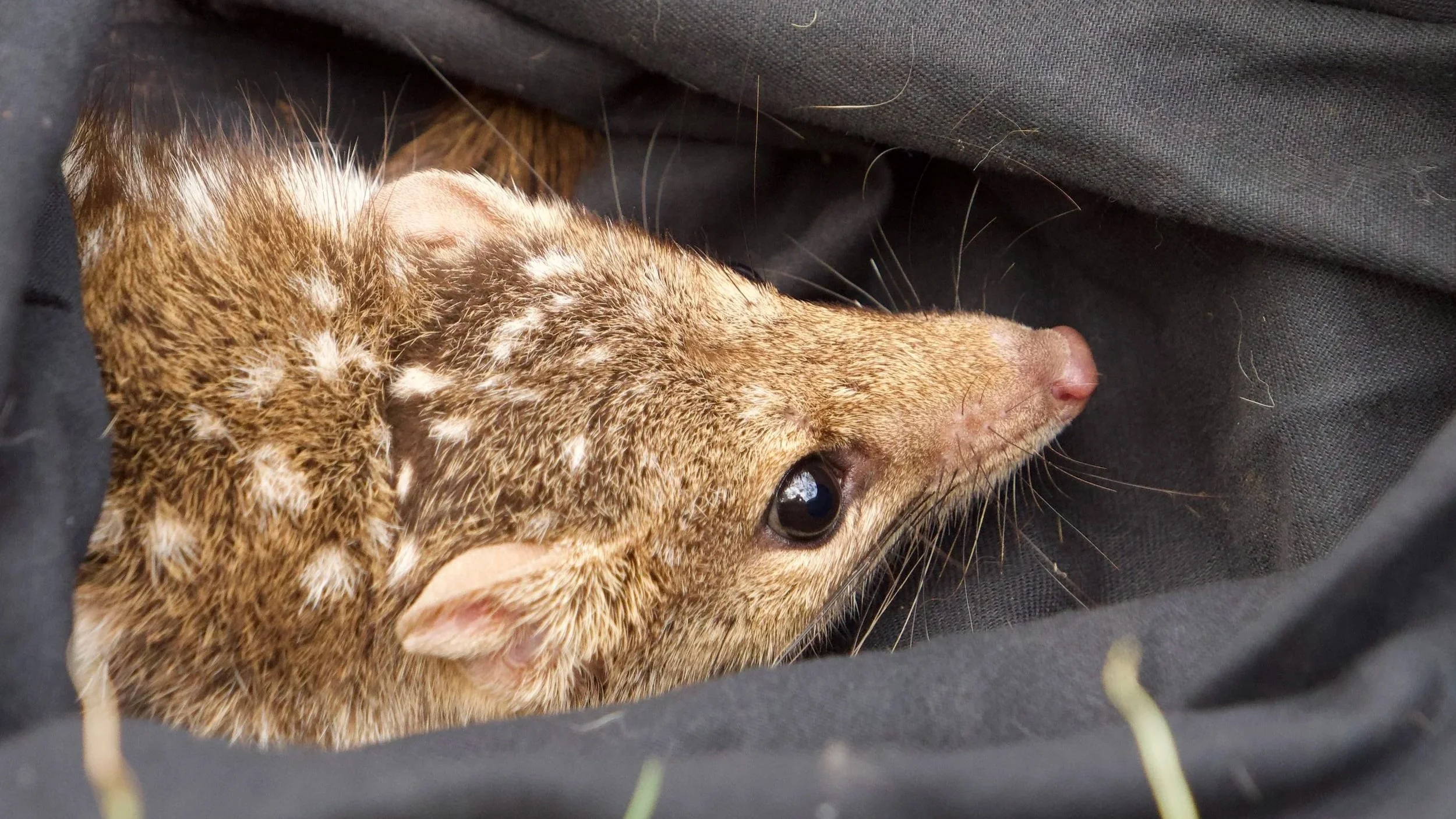
Image provided courtesy of Judy Dunlop
A new scientific paper featuring the work of KJ Martu Rangers has been published in CSIRO’s Wildlife Research, highlighting the power of two-way science and the essential role of Martu knowledge in understanding and protecting the Wiminyji (Northern Quoll).
The research — a collaboration between Kanyirninpa Jukurrpa (KJ), the Department of Biodiversity, Conservation and Attractions (DBCA), and the University of Western Australia — brings together western science and Martu ninti (knowledge) to investigate the decline of this culturally significant species across the Western Desert. The paper also uniquely includes a Martu translation of the summary, thanks to the work of KJ Martu Linguist Desmond Taylor, and KJ Linguist Beatrice Fagan.
Martu Knowledge Reveals What Western Science Could Not See Alone
For generations, Martu have known the Wiminyji as an important and respected animal. Elders shared stories, observations, and cultural teachings that helped guide the research team’s understanding of how the species has changed over time.
In one reflection, KJ Martu Ranger and Language Worker, Heather Samson, recalled her father’s instruction about the Wiminyji:
“This is the one you got to take care of when I’m gone; this is the very important one.”
These stories, combined with on-Country knowledge of fire, predators, and habitat, helped reveal patterns of decline that were not visible through western scientific methods alone. The study identified several key pressures on the species, including feral predators, habitat loss, wrong-way fire, and the spread of cane toads.
Martu Rangers Taking Action on Country
While the research confirms the Wiminyji remains under threat as an endangered species, it also highlights the critical work already being led by KJ Martu Rangers. Across the desert, KJ Martu Rangers are caring for the Wiminyji through:
Feral animal management to reduce predation
Right-way waru (fire) burning to protect habitat and support healthy ecosystems
Monitoring and tracking to understand population changes and identify priority areas for protection
This work is grounded in Martu law, culture, and responsibility — continuing the teachings passed down by Elders and ensuring the species is cared for into the future.
A Model for Two-Way Science‑Way Science
The publication of this research is a significant milestone. It demonstrates how Indigenous knowledge and western science can work together to create stronger, more accurate, and more culturally grounded environmental outcomes. For KJ, it reinforces what Martu have always known: caring for Country is strongest when guided by those who belong to it.
Two-way science is not just a method — it’s a pathway to better future caring for Country, and the species that depend on it.
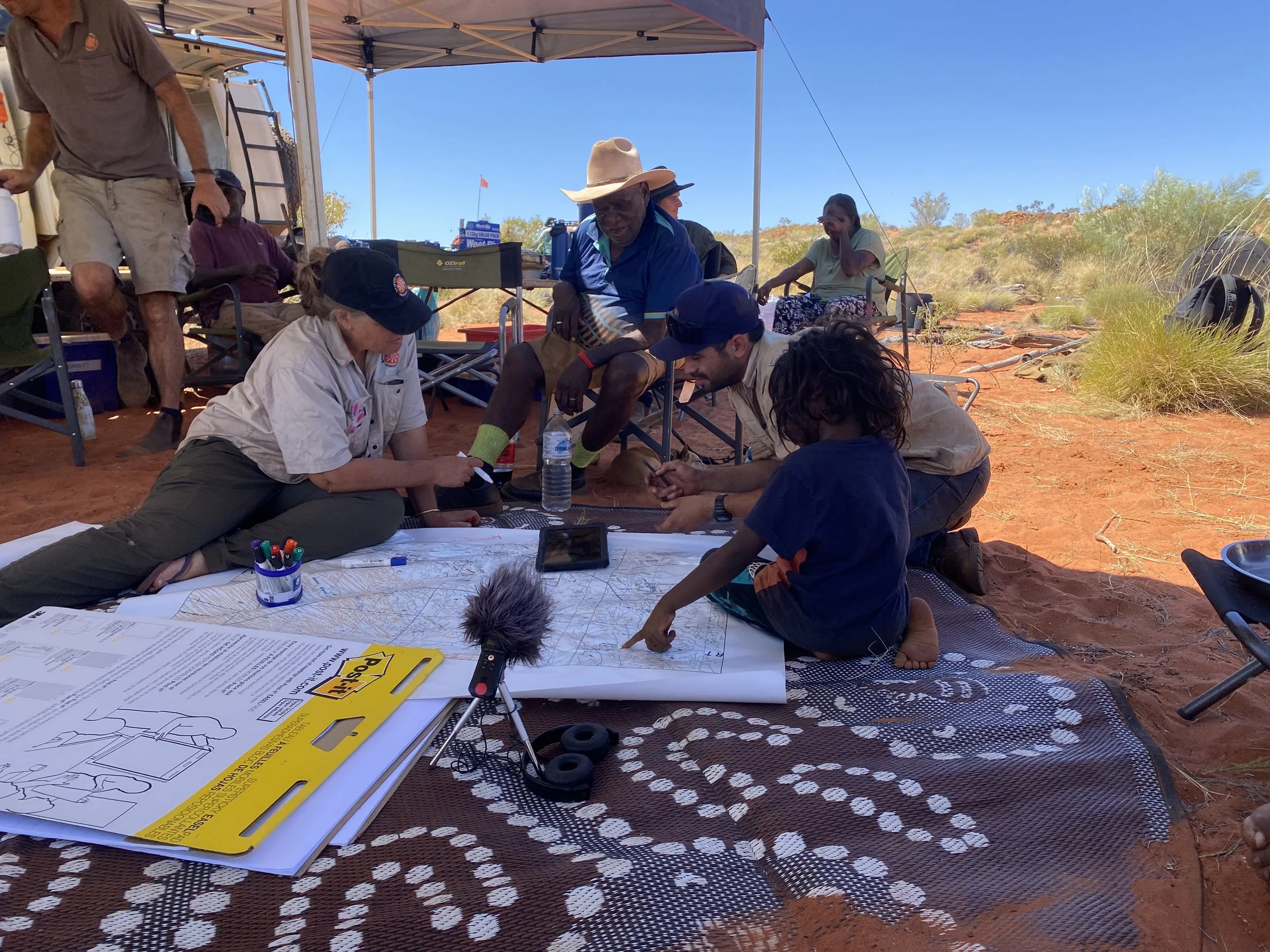
Image provided courtesy of Harry Moore, Department of Biodiversity, Conservation and Attraction.